
Learn about the House of Keys

What is the difference between Tynwald and Government?
House of Keys General Election 2026
The House of Keys is the popularly elected Branch of Tynwald, the Island’s parliament. Every five years the people of the Isle of Man have an opportunity to vote in a General Election to choose who will represent them in the House of Keys.
- The next House of Keys General Election will be held on Thursday 24 September 2026.
- The last House of Keys General Election was held on Thursday 23 September 2021.
- Learn more: https://tynwald.org.im/about/hok-election-2026
- Full details on the Isle of Man Government election pages
The House of Keys election and all General Elections are not run by the parliament. Guidance and information about the 2026 election and previous election results are available on the Isle of Man Government site - https://www.gov.im/election/
Constituencies
Each Member of the House of Keys (MHK) represents a constituency. To find your constituency, enter your postcode on this site: www.gov.im/maps
There are 12 constituencies, with two MHKs for each:
- Arbory, Castletown and Malew
- Ayre and Michael
- Douglas Central
- Douglas East
- Douglas North
- Douglas South
- Garff
- Glenfaba and Peel
- Middle
- Onchan
- Ramsey
- Rushen

Which constituency do I live in?
Use the Isle of Man Government's Online Maps Service to find out which constituency you live in.

Members of the House of Keys
What do MHKs do?
The public elects Members of the House of Keys (MHKs) to represent their interests and concerns in the House of Keys and Tynwald.
How many MHKs are there?
There are 24 MHKs, two for each of the 12 constituencies. Each MHK represents around 3,500 people.
What your MHKs can do for you
MHKs can assist their constituents in a variety of ways, from making private enquiries on your behalf, to raising matters publicly in the House of Keys and Tynwald.
When are MHKs elected?
In the Isle of Man a General Election is held every five years.
A parliamentary by-election happens when a seat in the House of Keys becomes vacant between general elections.
How are MHKs elected?
During an election everyone eligible to cast a vote in a constituency (constituents) selects two candidates to be their MHK. To be eligible to vote, you must be registered to vote.
The non-partisan system
Most MHKs are not affiliated to a political party. They sit as independents.
The Isle of Man has four registered political parties; one is currently represented in the House of Keys.
Pay and expenses for Members of the House of Keys
Find out the remuneration and allowances for MHKs.
Who is my MHK?
Click the image below to read more about all the current MHKs.
 The Hon David AshfordHouse of Keys
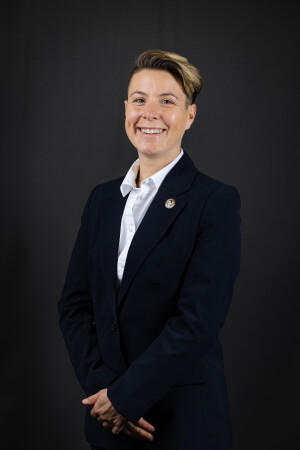 Katryna BaptistHouse of Keys
 Stephen BroadHouse of Keys
 Rob CallisterHouse of Keys
 Alfred CannanHouse of Keys
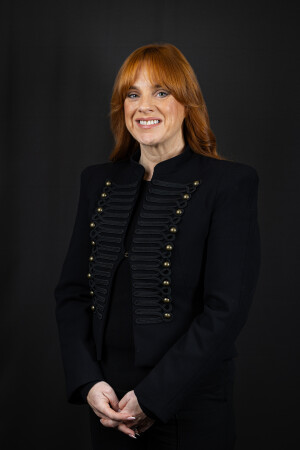 Claire ChristianHouse of Keys
 Damian CiappelliHouse of Keys
 James CochraneHouse of Keys
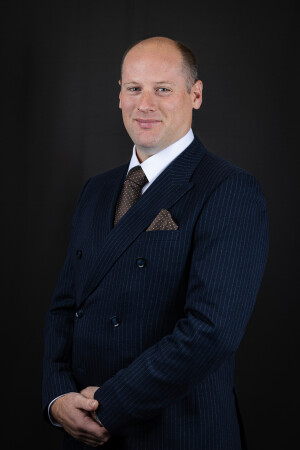 Robert CowellHouse of Keys
 Michael CroweHouse of Keys
 Daniel DavisonHouse of Keys
 Joney FaragherHouse of Keys
 Dr Rachel GloverHouse of Keys
 Richard HenthornHouse of Keys
 Vicki HewisonHouse of Keys
 Kirrie JenkinsHouse of Keys
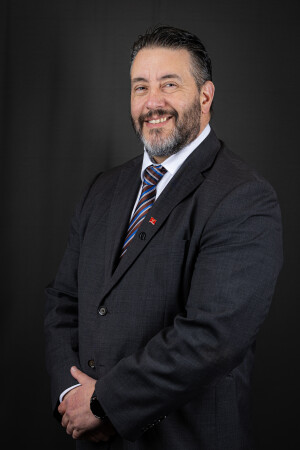 Mark KempHouse of Keys
 Sarah MaltbyHouse of Keys
 Juan McGuinnessHouse of Keys
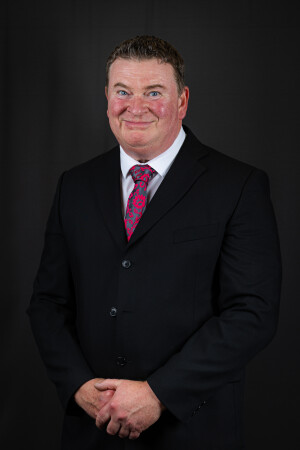 Jason MoorhouseHouse of Keys
 Jane Poole-WilsonHouse of Keys
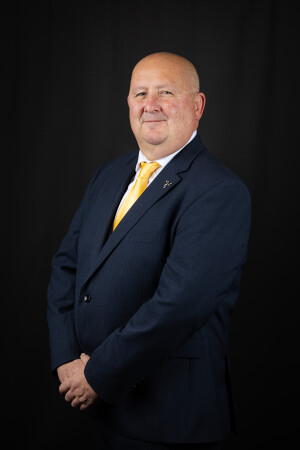 Andy SaundersHouse of Keys
 Peter ShimminHouse of Keys
 Chris ThomasHouse of Keys
The Speaker of the House of Keys
The Speaker is the Presiding Officer of the House of Keys. The main role of the Speaker is chairing sittings of the House of Keys.
Along with the President, the Speaker signs all resolutions of Tynwald, certificates of Royal Assent for the Acts, and certificates of promulgation of the acts on Tynwald Day.
Election of the Speaker
The Speaker is elected by and from amongst the Members of the House of Keys at its first sitting after a General Election. This is the House of Keys' first task after an election.
Candidates are proposed and seconded by Members. If more than one Member is nominated, there is a vote by ballot. The candidate with the most votes is elected.
The Speaker's first duty on being elected is to call on Members to receive a copy of the Standing Orders of the House of Keys and sign the Standing Orders Book.
Chairing sittings of the House of Keys
The Speaker chairs sittings of the House of Keys. This means that the Speaker is responsible for ensuring that business is conducted in an orderly and unbiased manner.
In order to do this, the Speaker interprets the rules and conventions of the House of Keys. Many of these rules are described in the Standing Orders of the House of Keys, the Speaker's interpretation of which is authoritative, but some of them are unwritten. The Speaker is assisted in this task by the Secretary of the House of Keys.
The Speaker's role is to be impartial. He is the only Member who has the option of abstaining from a vote, which is usually exercised. The Speaker has a casting vote in the event of a tie.
Chairing Standing Committees
The Speaker is the ex officio Chair of a number of Standing Committees.
Role in Tynwald Court
In Tynwald Court, the Speaker is free to speak and vote in the same way as any other Member of the House of Keys. In Tynwald Court, the President of Tynwald is the Presiding Officer. The Speaker sits in the same position at the head of the Keys in Tynwald Court, but his role in the Court is limited to reading out the Keys results after a division.
The Speaker's Robes
The Speaker's robes were gifted to the House of Keys by the House of Commons in 1966 on the 100th anniversary of the House of Keys Election Act. They are made of black silk with golden embroidery and detailing, similar to the Speaker of the House of Commons' state gown. These robes are usually only worn for official occasions such as Tynwald Day. During normal sittings, the Speaker may wear what he or she chooses, by tradition a plain black gown and a barrister's wig.
Look around the House of Keys chamber
Elections to the House of Keys
The House of Keys is the popularly elected Branch of Tynwald, the Island’s parliament. Every five years the people of the Isle of Man have an opportunity to vote in a General Election to choose who will represent them in the House of Keys by electing 24 Members from 12 constituencies, with 2 representatives per area.
Learn more about what it means to be a member of the House of Keyshttps://www.tynwald.org.im/about/house-of-keys
Standing for Election in the Isle of Man
This 10 minute video, produced by Culture Vannin, explains how elections on the Isle of Man work. It follows candidates from the 2011 General Election through their campaigning, to polling day, the counting of the votes and finally their swearing in to the House of Keys.
| https://player.vimeo.com/video/130795172 |
General Elections
The next House of Keys General Election will be held on Thursday 24 September 2026.
Isle of Man Government have all information relating to the general election online - https://www.gov.im/elections (External Site)
- Voter Registration
- Candidates declaring to stand for election
- Guidance for political parties
- Nominations
- Campaign and candidate spending
- Polling Day
Previous Elections
- The results of the previous general elections are available to download as is historical data back to 2001 from isle of Man Government Crown and Elections Team - https://elections.gov.im/electoral-registration-data/ (External Site)
2021 General Election
The last House of Keys General Election was held on Thursday 23 September 2021.
- Turnout was 50.68%
- Turnout for 16/17 Year olds was 45.89%
More information - https://iomelections.com/2021/debates/ (External Site)
2016 General Election
The General Election in 2016 was the first general election using the new constituency boundaries. 12 returning and 12 new Members of the House of Keys were chosen by voters in 12 constituencies, with 2 representatives per area. The constituencies are drawn along historic parish and sheading boundaries, and are aimed at ensuring equality of representation for the benefit of the Island's population as a whole.
If you would like to learn more about the election process visit: www.gov.im/elections (External Site)
You can find out more about the Members of both the House of Keys and the Legislative Council by clicking here.